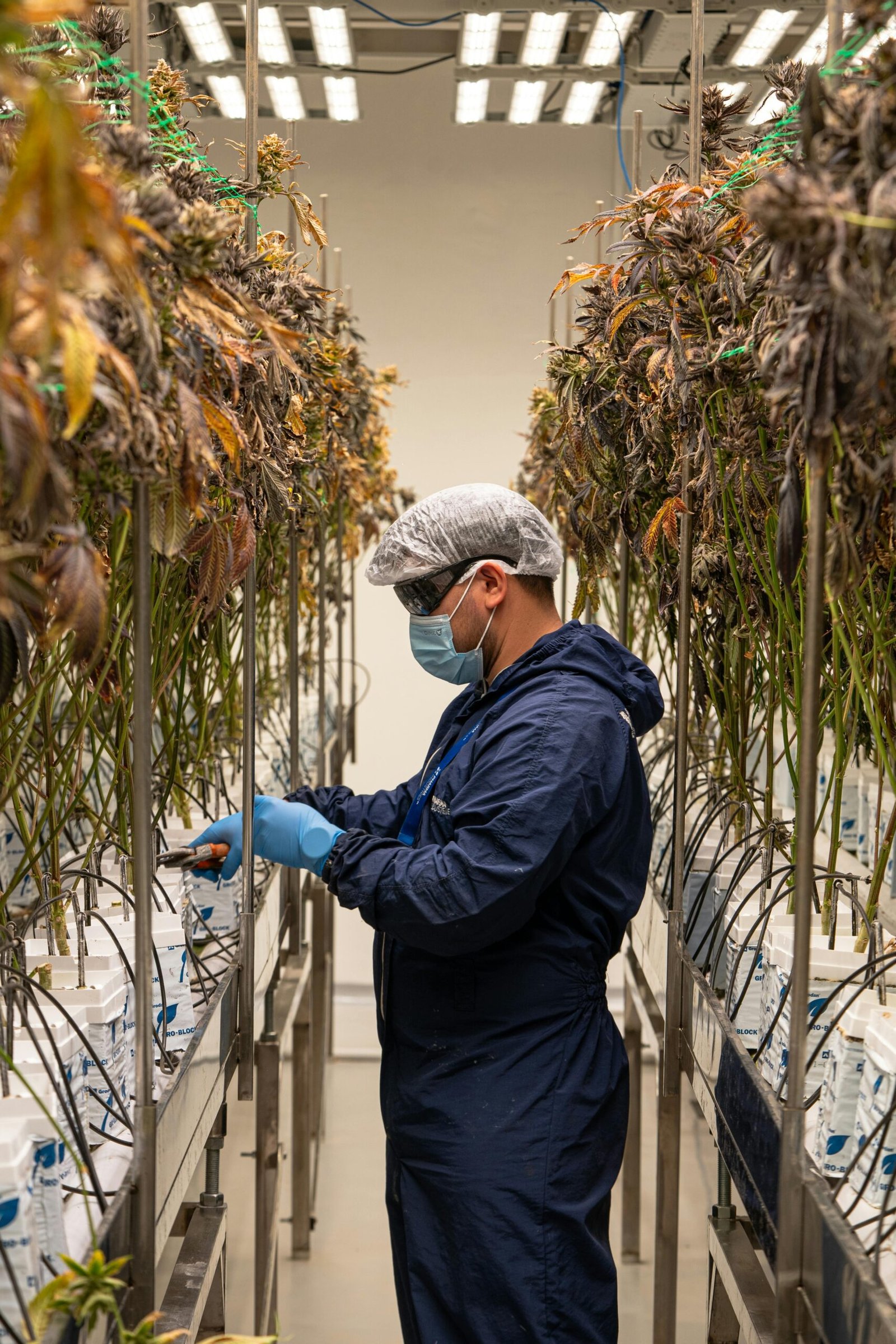
Soil Fertility Dynamics and fertilizer management strategies in Rawalpindi agricultural soils (Journal of Agriculture & Veterinary Science, 2024).

In early 2026, research focused on the Rawalpindi region (Pothwar plateau) highlights a landscape struggling with “nutrient mining” and alkaline stress. According to the Journal of Agriculture & Veterinary Science (2024) and subsequent 2025 updates, the agricultural soils of Rawalpindi are characterized by a unique set of constraints driven by their calcareous nature and rainfed (Barani) environment.+1


🧪 1. Soil Fertility Dynamics (2024-2026)

A massive analysis of over 4,000 soil samples across Rawalpindi’s tehsils (including Gujar Khan, Taxila, and Kahuta) has revealed the following trends:

  • The “Organic Matter” Crisis: Over 96% of soils are classified as poor in Soil Organic Matter (SOM), with levels typically falling below 0.86%. This is due to rapid mineralization under high temperatures and a lack of crop residue recycling.
  • Alkalinity & Phosphorus Lock: Approx. 88% of soils exhibit an alkaline pH ranging from 7.5 to 8.5. This alkalinity is a “fertility trap” for Phosphorus; while the soil may contain P, it is chemically locked (precipitated with Calcium), leading to a 99% deficiency rate in plant-available Phosphorus.+1
  • Potassium Stability: Unlike Nitrogen and Phosphorus, 63% to 69% of soils in the district still hold adequate levels of extractable Potassium, thanks to the presence of mica-rich clay minerals.
  • Micronutrient Gaps: Recent 2025 surveys indicate emerging widespread deficiencies in Zinc (Zn) and Boron (B), which are now significantly limiting wheat and brassica yields in the Pothwar region.
  • Related Posts

    Phytobiome Communication and plant-microbe signaling for smart farming (Plant Science Research, 2025).

    In early 2026, the agricultural sector is moving beyond simply “measuring the soil” to “listening to the plants.” The field of Phytobiome Communication, which involves the complex signaling between plants,…

    Remote Sensing and Transformer-based Soil Quality Prediction using AI models (Precision Agriculture Review, 2024).

    In early 2026, the integration of Remote Sensing (RS) and Transformer-based AI models has set a new benchmark in precision agriculture. According to the Precision Agriculture Review (2024) and recent…

    Leave a Reply

    Your email address will not be published. Required fields are marked *

    You Missed

    Phytobiome Communication and plant-microbe signaling for smart farming (Plant Science Research, 2025).

    • By admin
    • February 9, 2026
    • 1 views
    Phytobiome Communication and plant-microbe signaling for smart farming (Plant Science Research, 2025).

    Remote Sensing and Transformer-based Soil Quality Prediction using AI models (Precision Agriculture Review, 2024).

    • By admin
    • February 9, 2026
    • 0 views
    Remote Sensing and Transformer-based Soil Quality Prediction using AI models (Precision Agriculture Review, 2024).

    IoT-based Soil Salinity Monitoring using sensors in Watermelon cultivation (Smart Agriculture Research, 2024).

    • By admin
    • February 9, 2026
    • 1 views
    IoT-based Soil Salinity Monitoring using sensors in Watermelon cultivation (Smart Agriculture Research, 2024).

    Artificial Intelligence-based irrigation and nitrogen optimization in Cotton (Precision Agriculture Research, 2025).

    • By admin
    • February 9, 2026
    • 0 views
    Artificial Intelligence-based irrigation and nitrogen optimization in Cotton (Precision Agriculture Research, 2025).

    Organic Fertilizer Substitution and Nitrogen efficiency in Rice production systems (Agronomy Journal, 2025).

    • By admin
    • February 9, 2026
    • 0 views
    Organic Fertilizer Substitution and Nitrogen efficiency in Rice production systems (Agronomy Journal, 2025).

    Crop Diversification for Sustainable Agriculture and ecosystem resilience (Frontiers in Agronomy, 2026).

    • By admin
    • February 9, 2026
    • 1 views
    Crop Diversification for Sustainable Agriculture and ecosystem resilience (Frontiers in Agronomy, 2026).