admin
admin
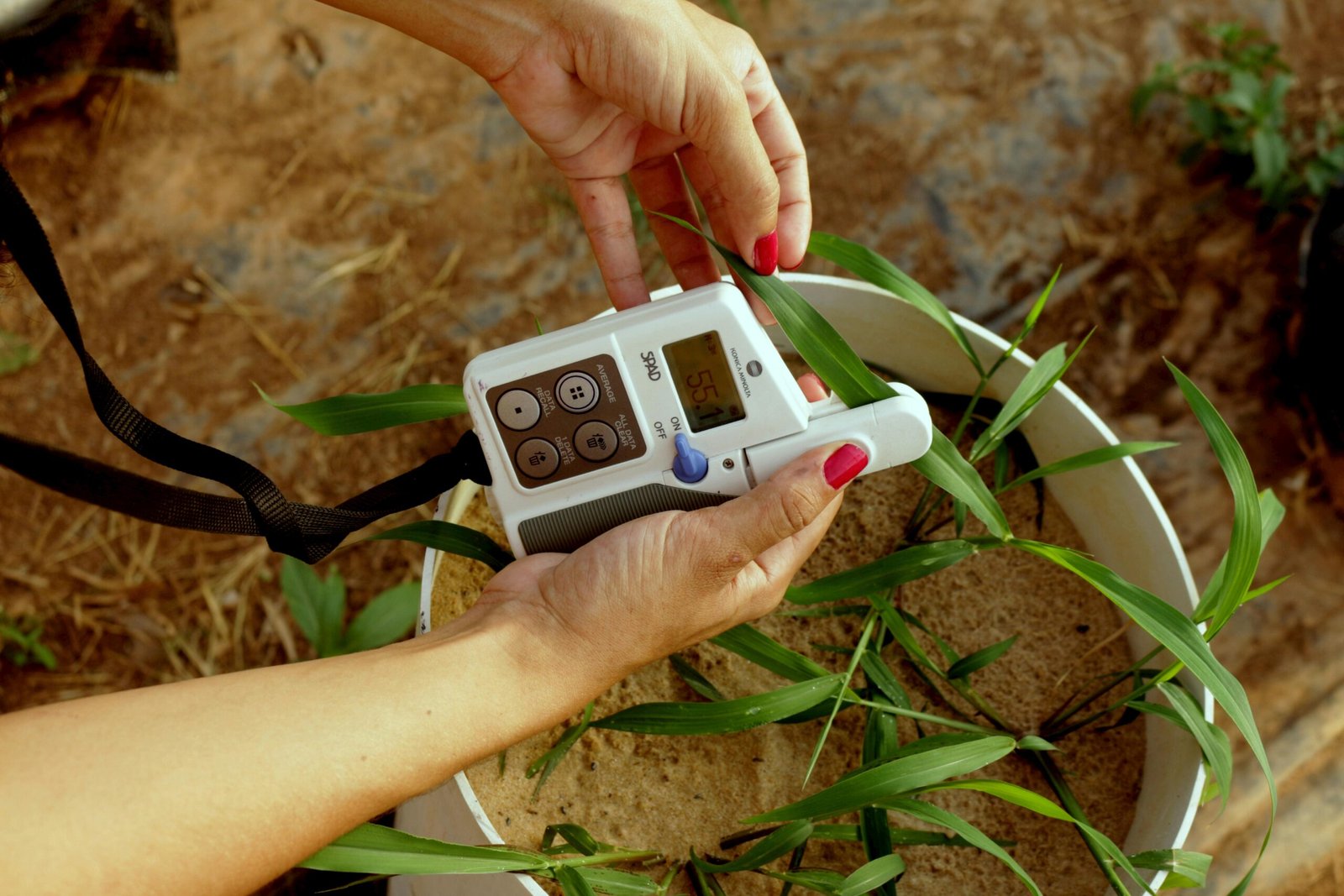
In 2026, the application of Artificial Intelligence (AI) in cotton production has evolved into a highly integrated “closed-loop” system. Unlike the separate irrigation and fertilization schedules of the past, 2026 research highlights Coupled Optimization, where AI manages water and nitrogen (N) as a single, interdependent unit to maximize Nitrogen Use Efficiency (NUE) and fiber quality.
🛰️ 1. The Multi-Sensor Data Fusion Layer
Precision cotton management in 2026 relies on Hyperspectral and Thermal data fusion.
- The AI “X-Ray”: By combining UAV-based thermal imagery (which detects water stress via canopy temperature) with hyperspectral data (which detects Nitrogen status via the Red-Edge position), AI models can now differentiate between a “thirsty” plant and a “hungry” one.
- Feature Selection: Leading research (e.g., Frontiers in Plant Science, 2025) has identified five critical spectral features—NDVI, NDRE, GRVI, and specific Mean Red/Blue bands—that allow Random Forest algorithms to estimate cotton plant nitrogen concentration with 97%–98% accuracy.
🤖 2. Advanced AI Modeling Techniques
Two specific AI architectures have become the “standard” in 2026 for managing cotton’s complex growth stages:
A. Nested Dual-Agent Reinforcement Learning (NDRL)
Published in late 2025, the NDRL framework uses two “agents” to manage the field:
- The Parent Agent: Identifies “Macro” actions (e.g., determining the total amount of N and water needed for the next two weeks based on yield projections).
- The Child Agent: Refines those actions daily based on real-time Water Stress Factors (WSF) and Nitrogen Stress Factors (NSF).
- Impact: This approach has demonstrated a 5.6% increase in water productivity and a 6.3% increase in nitrogen partial factor productivity.